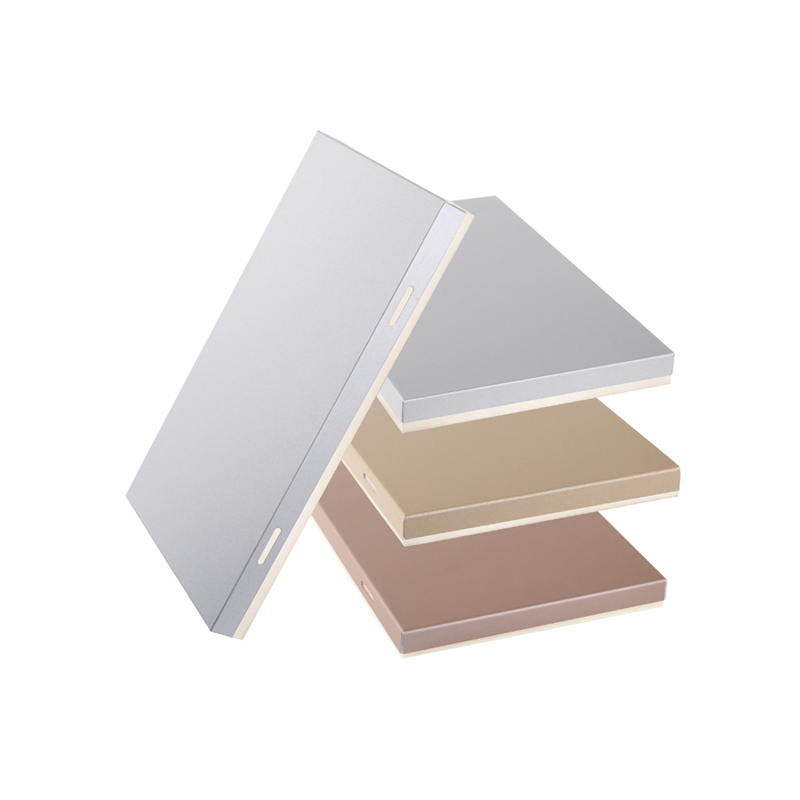
2025-09-05 Under normal use and maintenance conditions, the average lifespan of polyurethane hard foam insulation composite panels can reach more than 30 years, and some high-quality products can even reach 50 years. This conclusion is based on the following key factors: 1. Material characteristics and durability closed-cell structure: The porosity structure of polyurethane hard bubbles is stable, basically a closed-cell structure. This structure not only has excellent thermal insulation performance, but also has good freeze-thaw resistance and sound absorption. High closed cell rate can prevent air from flowing between the cells, reduce convection heat transfer, thereby improving thermal insulation performance and extending the service life of the material. Strong resistance to deformation: Polyurethane hard bubbles are not easy to crack, the finish is stable and safe, and can adapt to normal deformation of building structures without cracks, hollowing and other phenomena. Weather resistance and chemical stability: Polyurethane hard bubbles can be used for a long time in an environment of -50℃ to 150℃, and the short-term use temperature can even reach 250℃ without any damage. Its physical and chemical properties are very stable and insoluble in most solvents
Read More 2025-09-03 Polyurethane hard bubble insulation and decorative integrated board (referred to as 'polyurethane integrated board') is a new building material integrating thermal insulation, decoration, waterproofing and other functions, and is widely used in building exterior wall insulation and decoration projects. The following matters should be paid attention to during use to ensure construction quality and long-term performance: 1. Prepare environmental conditions before construction. Temperature requirements: The construction environment temperature should be between 5℃ and 35℃. Heating measures should be taken at low temperatures (<5℃). At high temperatures (>35℃), direct sunlight should be avoided to cause the adhesive to cure too quickly. Humidity control: The relative humidity should be ≤80%. Construction is prohibited in rainy, foggy or strong windy weather (wind speed > level 5) to prevent moisture from affecting the bonding strength. Base layer treatment: The base layer wall needs to be flat, dry, oil-filled, and floating ash, and the flatness deviation is ≤4mm/2m (check with a 2-meter ruler). The concrete base layer needs to be maintained for more than 28 days, and the masonry walls need to be plastered and leveled and dried (including
Read More 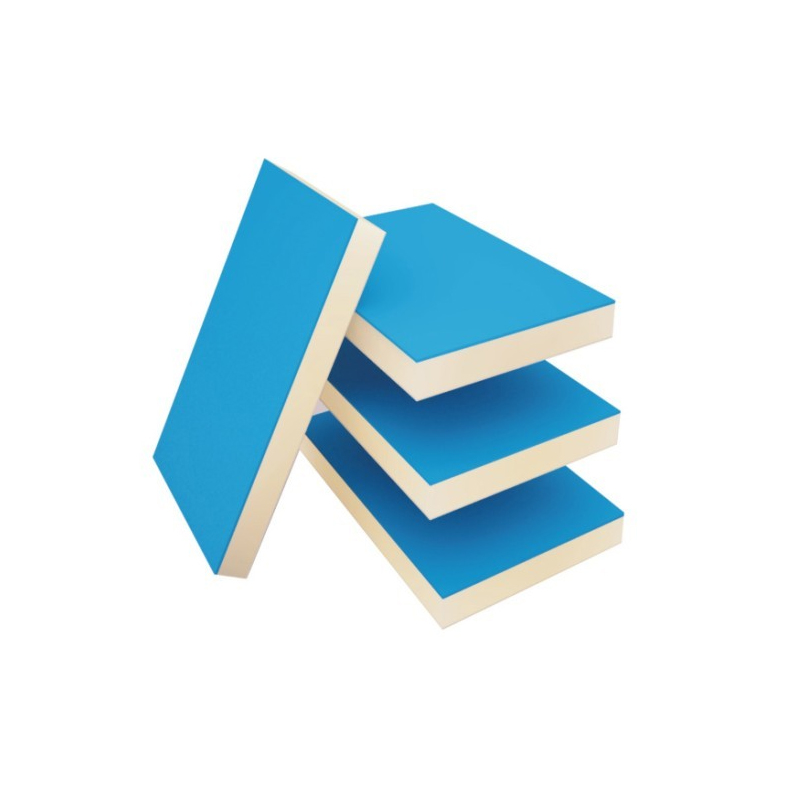
2025-08-27 Polyurethane hard bubble waterproof and insulation integrated board is a new type of building board that integrates waterproof, insulation, heat insulation, lightweight, durability and other functions. It is widely used in industrial factories, cold storage, civil buildings exterior walls, roofs and other scenarios. Its core advantage lies in combining the high performance of polyurethane hard foam with the convenient construction characteristics of the board. The following is a detailed introduction to the advantages: 1. Excellent thermal insulation performance Low thermal conductivity The thermal conductivity of polyurethane hard foam is only 0.022-0.028 W/(m·K), far lower than traditional insulation materials (such as polystyrene board 0.038 W/(m·K), rock wool 0.035 W/(m·K)), which can effectively reduce heat transfer and reduce building energy consumption. Application scenario: It is suitable for buildings with severe cold areas or high energy-saving requirements, such as northern residential exterior wall insulation, cold storage enclosure structure, etc. Closed cell structure, moisture-proof and heat-insulated polyurethane hard bubbles have a closed cell rate of up to 95%, making it difficult to penetrate moisture, avoiding water absorption
Read More 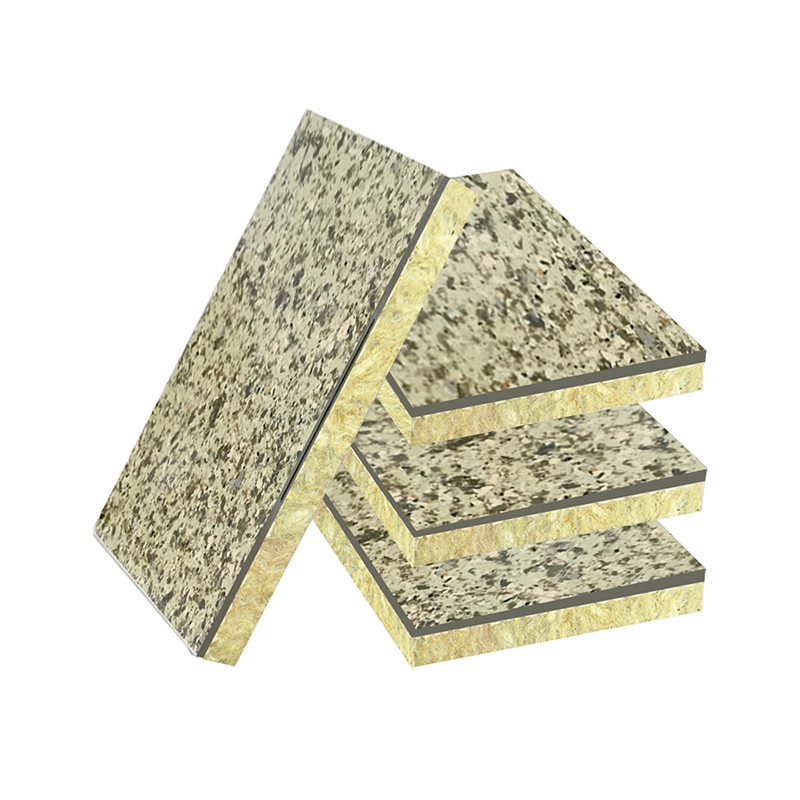
2025-08-25 Q-shaped rock wool insulation and decorative integrated board is a new building exterior wall material integrating thermal insulation, fire protection and decorative functions. It uses rock wool as the core insulation layer and is covered with metal or non-metal decorative panels. It is made of factory prefabricated to achieve integrated molding. Its application range is wide, covering multiple fields such as civil, commercial, industrial and municipal. The following analysis is carried out from the perspective of specific scenarios and advantages: 1. New residential buildings in the field of civil construction: suitable for exterior wall insulation and decoration systems such as high-rise apartments and villas, replacing the step-by-step construction of traditional insulation layer + decorative surface layer, shortening the construction period by 30%-50%. Renovation of old houses: Directly cover the original exterior walls to solve the problems of poor insulation performance and outdated appearance of old buildings, without the need to demolish the original structure and reduce the renovation cost. Typical case: residential projects in the centralized heating area in the north effectively reduce heat loss through rock wool insulation layer (thermal conductivity ≤0.040W/(m·K)), and combine decorative panels to achieve aesthetics and seclusion.
Read More 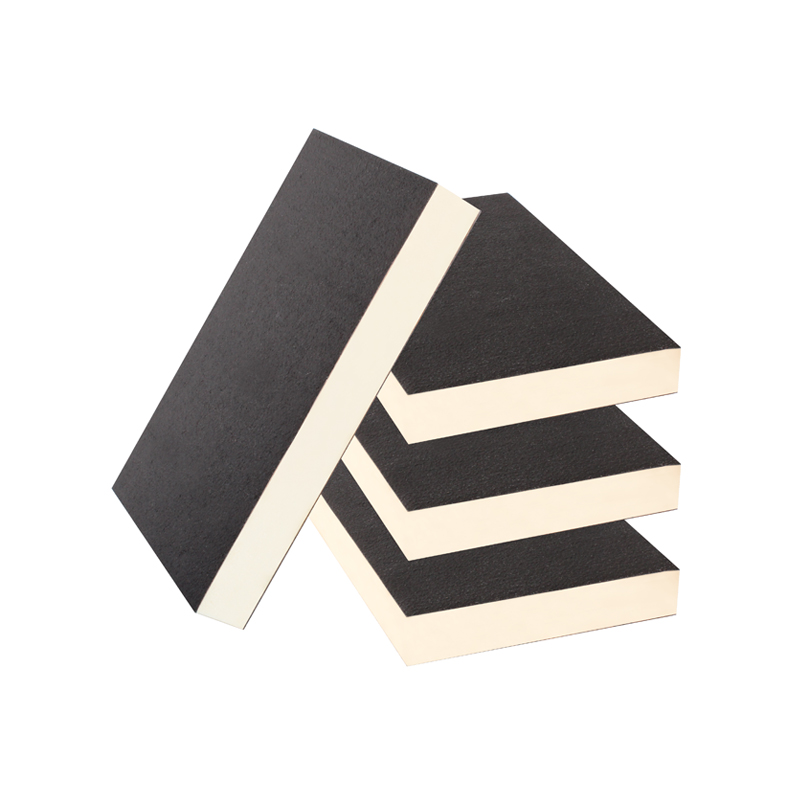
2025-08-22 Polyurethane hard bubble insulation composite board (PU hard bubble composite board) is a highly efficient and energy-saving building insulation material. It is composed of polyurethane hard bubble core material and metal or non-metal panels. It has the advantages of low thermal conductivity, strong wind pressure, and adjustable fire resistance. However, its use must strictly follow the specifications, otherwise it may cause insulation failure, safety hazards or shorten service life. The following are the key precautions and detailed descriptions: 1. Precautions for design stage fire protection performance matching standards: Select the fire protection level according to the 'Fire Protection Code for Building Design' (GB50016). For residential buildings with a building height of >54m or public buildings with a building height of >50m, the exterior wall insulation material must be Class A (not burnable). Other buildings can adopt B1 (flammable retardant) or B2 (flammable), but fireproof isolation belts are required. Non-standard scenarios: If the project requirements are higher than the national standards (such as data centers, chemical plants), PU hard foam core materials with flame retardant added (oxygen index ≥28%
Read More 2025-08-20 Polyurethane hard bubble insulation and decorative integrated board is a composite board that integrates insulation and decorative functions. It has the following significant characteristics: 1. Excellent thermal conductivity of thermal conductivity: The thermal conductivity of polyurethane hard bubbles is only 0.024-0.040W/m·K, which is one of the smallest thermal conductivity among industrial insulation materials, far lower than other common insulation materials such as EPS foamed polystyrene boards. High thermal resistance: Its thermal resistance value can effectively reduce the transfer of heat and improve the insulation effect of the building. Closed-cell structure: The polyurethane hard bubble body has a continuous and dense skin and close-cell of nearly 100% high-strength interconnected wall. It has ideal water impermeability, which can effectively prevent water vapor penetration and maintain stability in thermal insulation performance. 2. Various decorative effects. High-end decorative effects: This board can provide a variety of imitation high-end stone patterns, overcome the monotonous color of general exterior wall paints and meet the needs of different architectural styles. Rich patterns and colors: metal can be used for decorative surfaces
Read More 2025-08-18 Polyurethane hard bubble waterproof and insulation integrated board ('integrated integrated board') is a new building material integrating waterproof, insulation, heat insulation, lightweight, high strength and other functions. It is widely used in waterproof and insulation projects in roofs, walls and other parts of industrial and civil buildings. The installation method must be combined with the characteristics of the board, design requirements and construction specifications to ensure waterproof, thermal insulation performance and structural safety. The following are the detailed installation steps and key points: 1. Preparation before construction 1. Material inspection board acceptance: Check whether the specifications (thickness, length, width), appearance (no cracks, deformation, bubbles), performance (density, thermal conductivity, waterproofing grade) of the integrated board meet the design requirements, and attach a quality certificate. Accessories preparation: prepare special adhesives (such as polyurethane adhesives, cement-based adhesives), anchors (such as plastic expansion bolts, stainless steel anchors), sealants (such as silicone sealants), and waterproof coils (such as self-adhesive high scores
Read More 
2025-08-16 SPD water-based foamed polyurea sound insulation insulation board is a new environmentally friendly material. It combines the high strength, weather resistance and lightweight and thermal insulation properties of polyurea technology. It is widely used in construction, industry, transportation and other fields. The following is the specific application scope and advantages analysis: 1. Construction field 1. Application scenarios of building exterior wall insulation system: exterior wall insulation layer for residential, commercial buildings, and public facilities. Advantages: High efficiency heat insulation: The foamed structure forms closed-cell bubbles, with low thermal conductivity, effectively reducing heat conduction and energy consumption. Fire safety: Polyurea materials are resistant to high temperatures, have no droplets or low smoke when burning, and meet Class A fire protection standards (such as GB 8624-2012). Strong weather resistance: anti-ultraviolet rays, anti-aging, adapt to extreme climates (such as high temperature, severe cold, and humidity). Convenient construction: it can adopt spraying or pasting technology to bond firmly to the base layer and shorten the construction period. 2. Integrated application scenarios for roof insulation and waterproofing: flat roofs and sloped roofs
Read More 2025-08-14 Polyurethane Rigid Foam Insulation Composite Panel is a high-performance insulation material that uses polyurethane hard foam as the core material and has composite metal or non-metal panels on both sides (such as color steel plates, aluminum foil, cement fiberboard, etc.). With its excellent thermal insulation performance, lightweight and high strength, fire and moisture resistance, and convenient construction, it is widely used in construction, cold chain, industrial equipment, transportation and other fields. The following is a detailed analysis of its core application scope: 1. Construction field 1. Application scenarios of building exterior wall insulation system: exterior wall insulation layer of residential, commercial buildings, and public buildings. Advantages: High efficiency insulation: Polyurethane hard bubbles have low thermal conductivity (≤0.024W/(m·K)), which can significantly reduce building energy consumption and meet energy-saving standards (such as China's 'Public Building Energy Saving Design Standards' GB 50189). Lightweight and high-strength
Read More 2025-08-11 Polyurethane hard bubble insulation and decorative integrated board ('integrated integrated board') is a new type of building exterior wall material integrating thermal insulation, decoration, waterproofing, fireproofing and other functions. It is widely used in exterior wall insulation and decoration projects of residential, commercial buildings and industrial factories. Its usage method covers construction preparation, installation process, detailed processing and post-maintenance. The following are detailed instructions: 1. Prepare materials before construction. Check the board acceptance: Check the specifications (thickness, size), color, surface flatness and edge integrity of the integrated board to ensure that there are no cracks, deformation or degumming. Accessories check: Make sure that anchors, bonded mortar, sealant, textured paper and other auxiliary materials meet the design requirements, and check the shelf life. Base treatment: Clean the base wall (concrete, masonry, etc.), remove oil stains, floating ash, loose particles and hollow parts. When repairing cracks or uneven areas, level them with cement mortar, and the base layer flatness deviation is ≤3mm/2m. Measuring the water content on the wall
Read More 
