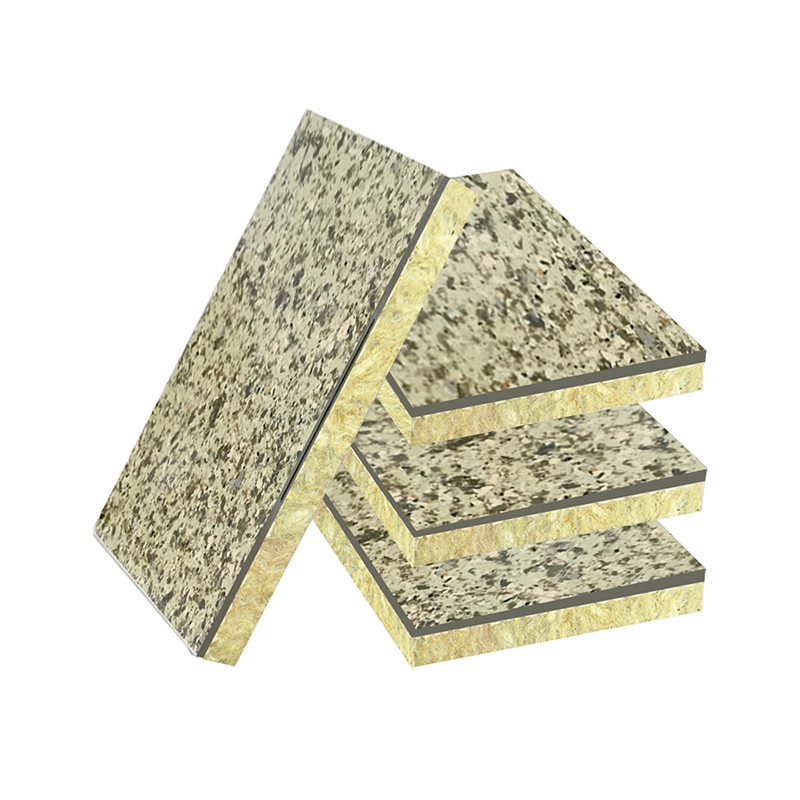
2025-10-16 Rock wool insulation integrated board is an exterior wall insulation material composed of rock wool and decorative panels. It has the functions of heat preservation, heat insulation, fire prevention, noise reduction and other functions. The following is the construction process of rock wool insulation integrated board for your reference.
Read More 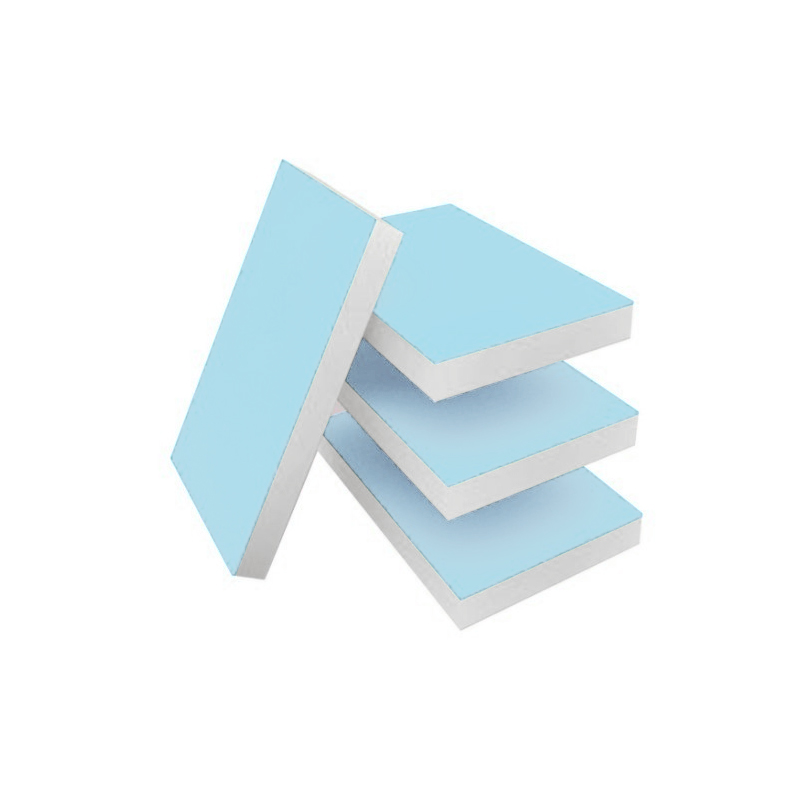
2025-10-10 SPD water-based foamed polyurea sound insulation insulation board uses all-water foamed polyurea foam as the core material, combined with the composite fiberglass mortar cloth to strengthen the structure, forming a multi-functional building material with sound insulation, thermal insulation, waterproof and weather resistance properties. Its characteristics can be summarized in the following aspects: 1. Core material advantages All-water foamed polyurea foam is environmentally friendly: water is used as the foaming agent to avoid environmental pollution from traditional chemical foaming agents and complies with green building standards. Lightweight and high strength: Polyurea foam has low density but high compressive strength, which can effectively reduce building loads while maintaining structural stability. Closed cell structure: The foam has a closed cell structure inside, with low thermal conductivity and excellent thermal insulation performance, which can effectively prevent heat transfer. Composite fiberglass mortar cloth enhances structural stability: Fiberglass mortar cloth serves as a reinforcing layer to improve the tensile strength and impact resistance of the board and prevent cracking or deformation. Durability: Fiberglass material is corrosion-resistant and aging-resistant, extending the service life of the board and reducing subsequent maintenance costs. 2. Performance characteristics
Read More 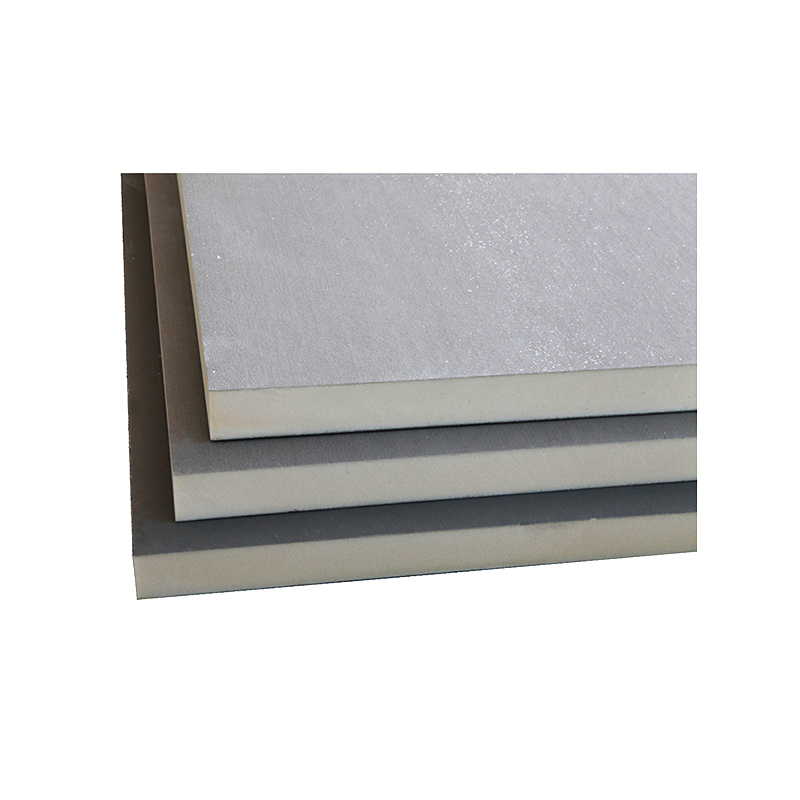
2025-10-07 The construction process of hard foam polyurethane composite board mainly includes steps such as base processing, measurement and layout, material preparation, installation of keels (with keel system), pasting composite boards, anchoring and fixing, plate joint treatment, finishing layer construction, etc. The following is a detailed introduction: Prepare weather conditions before construction: Pay attention to weather forecasts, avoid construction in severe weather such as strong winds, rain and snow, and ensure construction safety and project quality. Personnel and materials: Ensure that the construction staff is complete and prepare all the boards, spare parts and other materials required for construction, such as bonded mortar, anchors, sealants, alkali-resistant glass silk fiber grid cloth, etc. Construction tools: Prepare special equipment and equipment such as micro-polyurethane hard foaming pouring machines, air compressors, hanging baskets or scaffolding, and conduct on-site operation inspections. Only after passing the qualification can it be put into use. Base layer treatment: After the exterior wall of a newly built building has passed the concealed project acceptance, a leveling layer may not be used, but the masonry should be grouted. For concrete walls and masonry walls, the base surface should be
Read More 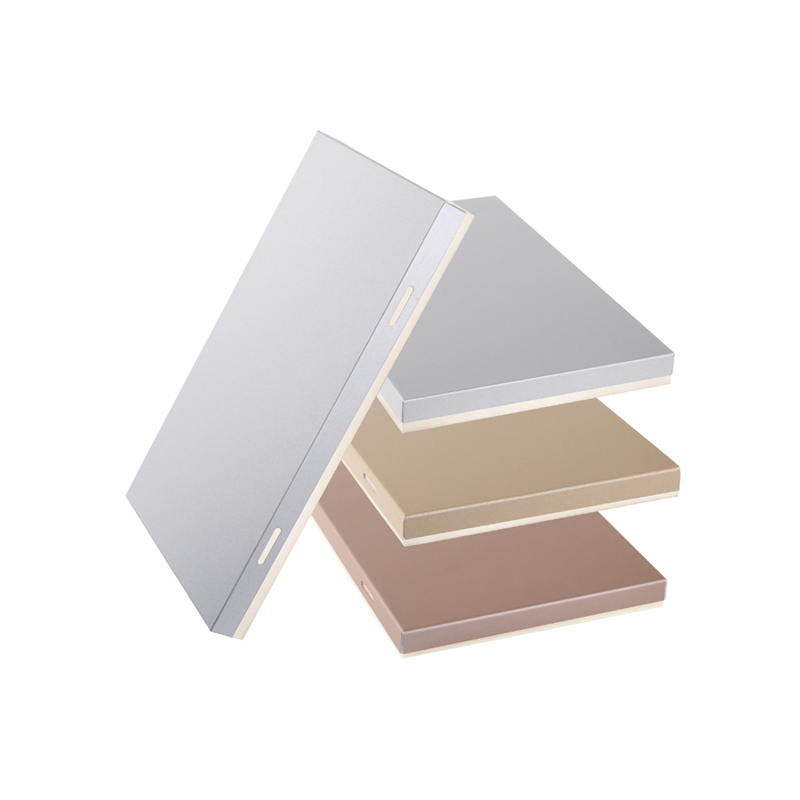
2025-09-29 In the field of architecture, exterior wall insulation and decorative integrated panels are increasingly widely used, among which polystyrene boards, extruded boards (usually what we call EPS boards) and hard foam polyurethane composite boards have become the three most popular mainstream insulation materials. So, what are the characteristics of these three materials and what are the similarities and differences between them? Next, we will analyze it in depth one by one. 1. Comparison of the characteristics of exterior wall insulation materials. Polystyrene board (EPS board) characteristics analysis. Polystyrene board is full of polystyrene foam board, and is often called foam board in daily life. It is made of polystyrene beads containing volatile liquid foaming agent, after heating and pre-transmission treatment, and then heated in a mold to finally form a white solid with a fine closed-cell structure. Advantages Overview: Excellent thermal insulation and thermal insulation: Polystyrene board has excellent thermal insulation performance, providing strong guarantee for building energy conservation. The process is mature and stable: its production system and technical process are quite mature, ensuring the product
Read More 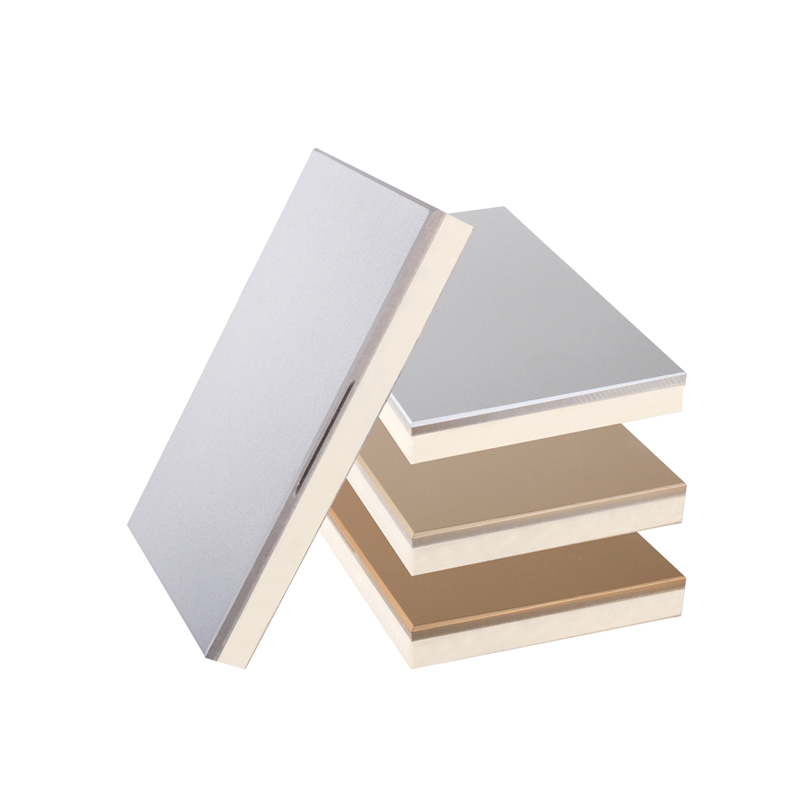
2025-09-27 The integrated polyurethane hard bubble insulation decorative panel has excellent energy-saving effect. Its core advantages are reflected in its extremely low thermal conductivity, waterproof and moisture-proof performance brought by high closed porosity, durability of thermosetting materials, and quality stability guaranteed by factory prefabricated processes. The specifics are as follows: 1. Low thermal conductivity and excellent thermal insulation performance. The thermal conductivity of polyurethane hard bubbles is 0.018-0.024W/(m·K), which is only 1/3 of traditional insulation materials (such as rock wool, EPS). This means that at the same thickness, its insulation effect is significantly better than other materials. For example, the construction thickness only needs 40mm to meet the national energy-saving requirement of 65%, while traditional materials may need to be thicker to achieve the same effect. This characteristic allows the thickness of the building exterior walls to be greatly reduced, indirectly increasing the indoor use area. 2. High closed cell rate, waterproof and moisture-proof performance, outstanding closed cell rate of polyurethane hard bubbles exceeds 90%, and some products even reach 9.
Read More 
2025-09-24 Polyurethane hard bubble waterproof and insulation integrated board is a new type of building material integrating waterproofing, insulation, structural support and other functions. Its core role is reflected in efficient insulation, reliable waterproofing, lightweight structure, convenient construction, etc. It is suitable for building roofs, walls, cold storages, industrial factories and other scenarios. The following is a specific analysis of the functions: 1. High efficiency insulation and heat insulation, reduce energy consumption, and low thermal conductivity. The thermal conductivity of polyurethane hard bubbles is only 0.022~0.028 W/(m·K), which is far lower than that of traditional insulation materials (such as polystyrene plate 0.039 W/(m·K), rock wool 0.035~0.045 W/(m·K)). This means that at the same thickness, the thermal insulation performance of polyurethane hard bubbles can significantly reduce heat exchange inside and outside the building and reduce the energy consumption of air conditioners, heating and other equipment. Continuous seamless insulation layer integrated plate forms a continuous insulation layer through on-site spraying or prefabricating process, avoiding the thermal bridge at the splicing of traditional materials.
Read More 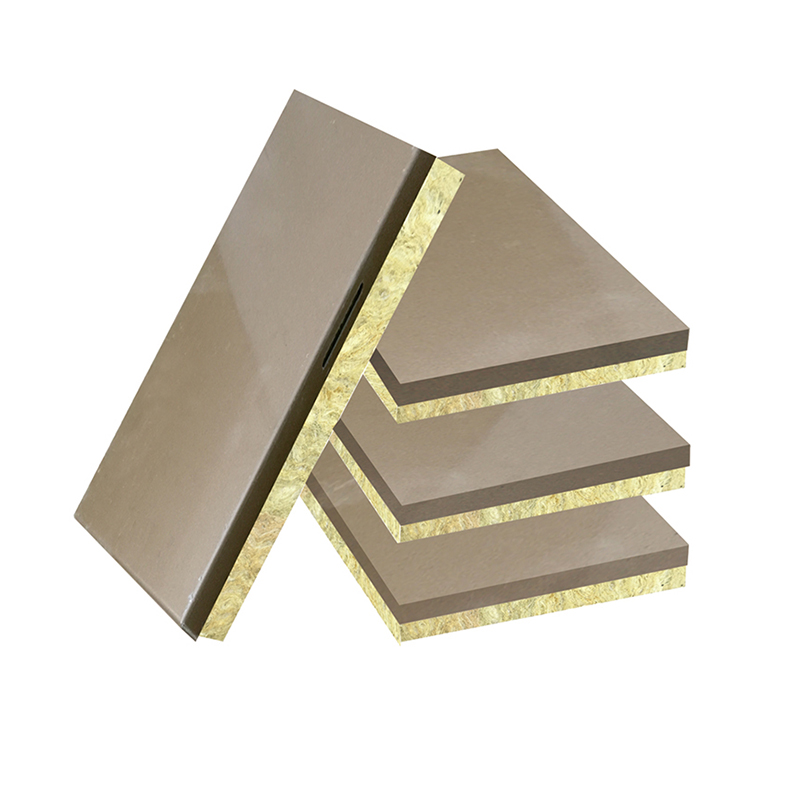
2025-09-22 Application scope of J-type rock wool insulation and decorative integrated board J-type rock wool insulation and decorative integrated board (usually referring to rock wool insulation and decorative integrated board) is a new exterior wall building material composed of rock wool as the core insulation material and combined with the decorative layer. It has both insulation, heat insulation, fire protection, waterproof and decorative functions. Its application range is wide, covering new buildings and existing building renovations. The specific scenarios are as follows: 1. Residential buildings in the field of new buildings are suitable for exterior wall insulation and decoration of multi-story and high-rise residential buildings, meeting the indicator requirements of 65% of building energy saving. The decorative layer can be customized with stone, metal, clay and other effects to improve the aesthetics of the building while reducing construction costs. Public building commercial center: Large shopping malls, office buildings, etc. that need to take into account both energy saving and appearance. Rockwool integrated panels can achieve rapid installation and shorten construction period. Cultural facilities: In places such as museums and libraries that require high fire resistance, the A-level fire resistance of rock wool (high temperature resistance above 1200℃) can eliminate fire hazards.
Read More 2025-09-20 Q-shaped rock wool insulation and decorative integrated board (usually referring to rock wool insulation and decorative integrated board) integrates thermal insulation, fire protection and decorative functions. It has the characteristics of good decorative effect, strong safety, excellent crack resistance, high degree of assembly, convenient construction, strong adaptability, energy-saving and environmentally friendly, good weather resistance, sound insulation and noise reduction, and good economy. The specific details are as follows: Good decorative effect: The decorative layer is processed in the factory through automated assembly lines, and the coating film is uniform in color, reducing the dependence of on-site construction on climate, personnel and equipment. Compared with traditional thermal insulation decorative materials, it can effectively avoid color difference between batches and ensure the overall uniformity of the engineering finish. At the same time, the surface can be made of real stone paint finish, water-in-water colorful paint finish, natural stone finish, metal fluorocarbon paint finish and other decorative effects, demonstrating the elegance and solemnity of the building. Strong safety: Many surface materials are saved during on-site construction, greatly reducing the load on the insulation layer. The application of rock wool strips and perforated calcium silicate plates increases the system's safety
Read More 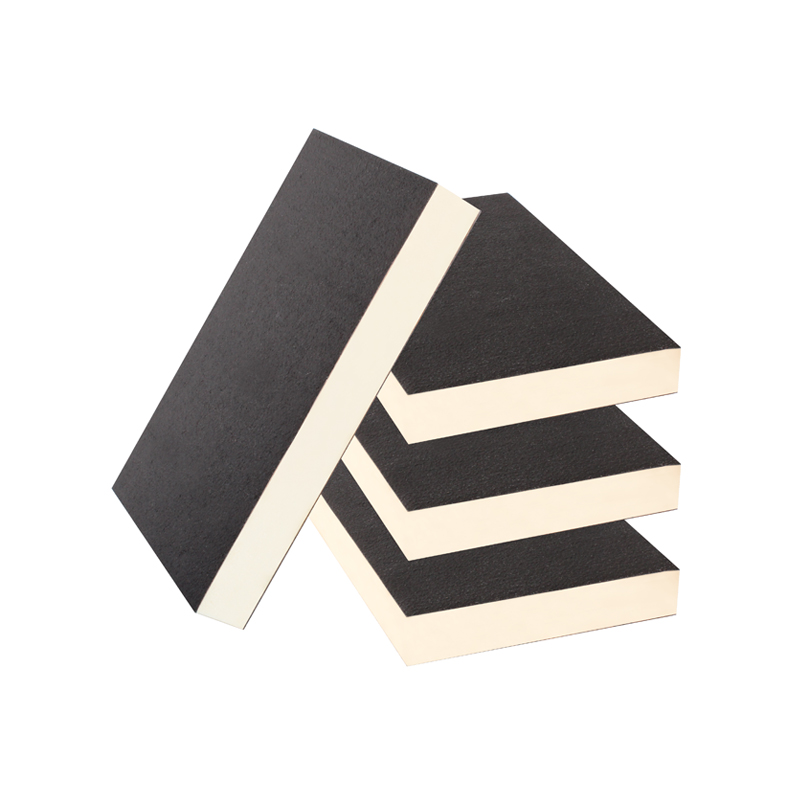
2025-09-18 Polyurethane hard bubble insulation composite panel is a high-performance building enclosure material with polyurethane hard bubble as the core insulation layer and composite metal or non-metal panels on both sides. Its characteristics and advantages can be summarized into the following aspects: 1. Excellent thermal insulation performance Low thermal conductivity The thermal conductivity of polyurethane hard bubbles is only 0.018-0.024 W/(m·K), far lower than traditional insulation materials (such as 0.038 W/(m·K) of EPS and 0.035 W/(m·K) of rock wool). This means that at the same thickness, polyurethane hard foam composite panels provide more efficient insulation and reduce building energy consumption. The closed cell ratio of polyurethane hard bubbles in closed cell structure is as high as more than 95%, forming a continuous thermal insulation layer, effectively blocking thermal convection and thermal radiation. Even in humid environments, the closed-cell structure can prevent moisture penetration, avoid the increase in thermal conductivity due to water absorption, and ensure stable long-term insulation performance. 2. High strength and lightweight compression and impact resistance
Read More 
2025-09-15 The role of the integrated polyurethane hard bubble insulation decorative board is mainly reflected in the following aspects: Excellent thermal insulation performance: The thermal conductivity of polyurethane hard bubbles is extremely low, only 0.018-0.024W/(m·K), and is one of the lowest thermal conductivity among all thermal insulation materials at present. This means that the required insulation layer thickness is thinner when the same insulation effect is achieved, thereby reducing the thickness of the building's outer enclosure structure and increasing the indoor use area. At the same time, its closed porosity is as high as more than 90%, and it is a hydrophobic material. It will not increase the thermal conductivity due to moisture absorption, and the wall will not seep water, further ensuring the stability of thermal insulation performance. Excellent fire resistance: After adding flame retardant, polyurethane has become a flame-retardant self-extinguishing material. Its fire resistance reaches the B1 standard and can even meet the A-level fire resistance requirements through technical improvements. During combustion, carbon deposits will be formed on the surface of the polyurethane, effectively preventing the flame from spreading, and no occurrence of the high temperature
Read More 
